Anthony Davison: Advocating compassionate, community-driven nursing leadership
“I started working for the NHS in 2002, as a bank healthcare support worker and very quickly decided this was the career I wanted to go into. The caring profession suited me and my personality. I got a permanent role as a healthcare assistant working with the elderly, people with learning disabilities and adult mental health.”
Supported early on through a secondment and NHS funding, Anthony qualified as a mental health nurse and went on to work across acute inpatient wards, crisis teams, and community mental health services.
“I really enjoyed the challenges that working in mental health brought, and also how rewarding it was to see people getting better following the intervention and nursing care they received.”
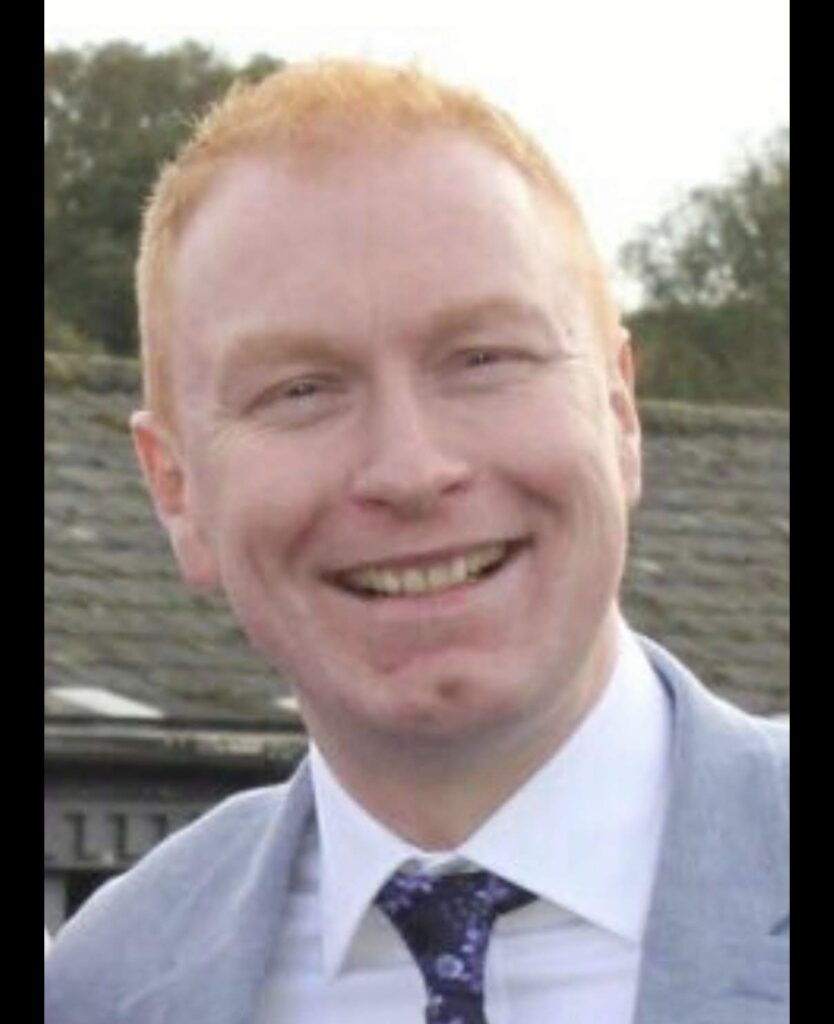
During his time in acute mental health nursing Anthony did a leadership and management degree.
“Doing that degree, I discovered I really enjoyed understanding leadership, people management and getting the best from people you work with.”
This led to being successfully appointed to a Clinical Lead post.
In 2008, the NHS created the Improving Access to Psychological Therapies services (IAPT). Anthony decided to move into primary care retraining as a cognitive behaviour therapist.
“The move into primary care was pivotal, it gave me insight into how both primary and secondary care interact. I worked with a number of GP practises, seeing people one to one on a regular basis for depression and anxiety disorders and I would eventually go on to become a ‘trauma specialist’.”
“Eventually I decided I wanted to create a wider impact than for just the 20 or so patients I was seeing. I wanted to look at the bigger picture and make more of a difference, so I moved into NHS England, as a case manager, overseeing specialised commissioning for, child and adolescent mental health and eating disorders services for adults and children across the North East and North Cumbria region. That was my first leap into commissioning and strategic quality oversight.”
After working in commissioning for 3 years, focused on quality monitoring and developing pathways between NHS Trusts, Anthony decided to undergo further development in the form of coaching for leadership and career development.
“I did a lot of reflection in my coaching and eventually decided I wanted to go back to working with a provider, so I joined Tees, Esk and Wear Valleys NHS Foundation Trust as the Head of Nursing, providing leadership for the nursing workforce. I focused on creating a strategy for safe and healthy work practices and making sure we had high quality, safe and effective care.”
After 3 years in this role, Anthony joined Lancashire and South Cumbria NHS Foundation Trust as the Director of Nursing and Quality for The Bay.
“I really enjoyed the role, it was challenging because there were lots of areas that needed high levels of support from me, but I think we made a real difference. After 2 years in that role, my Chief Nurse Officer put me forward for the Director of Nursing Commissioning and Integration role within the Trust.”
Applying his experience working across acute and primary care in a range of services and roles, Anthony led the Trusts specialised commissioning efforts assuring high quality and safe services for patients.
“After about a year in that role I began think about my next steps. So, I did the HLM 360° feedback, with the NHS North West Leadership Academy. The feedback got from my team was: you’re compassionate, good at connecting and being a networker, you like being around people, you like chairing events and pulling people together to work collectively. That led me to reflect deeply on my next steps.”
“Through lots of conversation and an appraisal conversation I decided I wanted to work at place and neighbourhood level.”
Anthony then started having career conversations with Lorna, Senior System Lead at the NHS North West Leadership Academy. Through their conversations Anthony became aware of the Foundations in System Leadership programme. Designed to equip leaders with the skills to work across systems and particularly this programme is a great learning opportunity for leaders seeking to work effectively at place and neighbourhood level.
“It was a brilliant programme. Really, good and I started understanding more about systems and interactions; the programme confirmed I had the right skillset.”
After 2 years in his commissioning role and with support from his Trust, Anthony was offered a secondment to work at a place and neighbourhood level with Lancashire and South Cumbria Integrated Care System.
“I’ve had support from the NHS North West Leadership Academy, throughout this secondment. In September 2024, as part of my personal development plan, the Deputy CEO put me forward for one of the Trust’s executive coaching places and then Lorna supported me in finding the right coach for me. That was brilliant and I cannot praise the coach enough. I wrote objectives for what I wanted to achieve within six months of this secondment which I reviewed with my coach. Lorna also looked through those with me and offered suggestions, which was helpful.”
“Support from Lorna has been fundamental, in terms of me being able to have a conversation and her ability to connect me with different people, opportunities and pieces of work going on in the NHS. The North West Leadership Academy provides networking and a strategic view across the North West, and I’ve been able to bring that back to place.”
Anthony credits several development opportunities as instrumental in his progression including early leadership programmes, executive coaching, and the Aspiring Mental Health Nurse Director Programme via the NHS Confederation.
“Coaching has been very impactful. That dedicated space to reflect, to unpick what’s going on, to realign with my values, it’s helped me several times when I’ve been at a crossroad in my career.”
Leadership philosophy and values
Anthony’s leadership is defined by trust, collaboration, compassion, and empowerment. As a senior system leader, he remains grounded in frontline realities by intentionally building open, supportive relationships across his teams.
“I aim to give my team autonomy, responsibility, and flexibility to do their roles effectively. I try to create a safe space where my team can debate, discuss and challenge me. I’m open to challenge as I know I’m not always right.”
“Trust is also a big part of my leadership. I’ve built a relationship with my team where I believe in them. We have touch points throughout the course of the week, where we come together, and they tell me what’s going on, what I need to know and what they need my support with. I also have an open-door policy where they can come to me any time.”
“Through this trust and empowerment comes accountability and responsibility. My team lead their own work programmes, unless there is something specific that needs my attention. What I don’t want to do, and I must admit I have done this in the past, is fall into micromanagement.”
“An example of this is the work I am completing with the ICB women’s health team, I’ve spent time getting to know the people in this team and from there established a safe space where they can say what the priorities are for women’s health and then lead on the work to deliver those priorities. I did this because I’m not an expert in women’s health, but the team is, so I listen and learn. My role has been to have high level conversations with other directors or medical teams and use my role as Director of Nursing and quality to bring them to the table and facilitate a conversation with the team.”
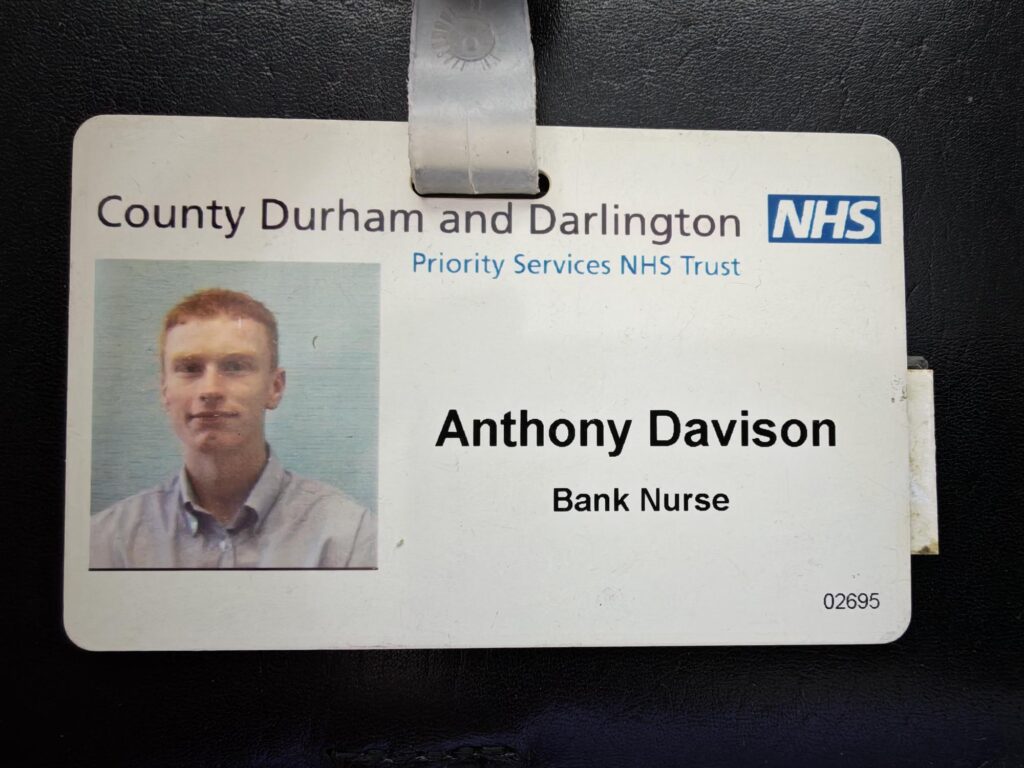
In his substantive role, Anthony makes time to “walk the floor,” conduct quality assurance visits, and connect directly with patients and teams.
“Leadership visibility is really important. I do around six quality visits a year to all the wards that we commission and spend the day with the service and then draft a report about what I see. I also talk to the people, staff and patients, and hear their stories. That shapes how we commission and how I lead.”
He balances this relational style with a clear-eyed understanding that accountability matters too.
“There is a time and a place for more didactic style of leadership, because it’s important to be able to hold people to account, but when you should use that style depends on the situation and role in which you’re working. If you go into a leadership role and act autocratic, people immediately put the barriers up, disengage and you will find it difficult to approach anything. It’s important to get that balance right, holding people to account, but in a compassionate way.”
“I’ve never worked in a hierarchical way and very few people I have managed have ever overstepped the line and I think that’s because they’ve been clear on where they stand with me and that has come through me trying to lead collectively and compassionately. Nursing is a caring and compassionate profession and as a nursing leader I should be able to share that compassion with my staff and model this behaviour.”
Community care and system integration
Anthony’s current secondment into Place has confirmed his passion for neighbourhood working a model he believes holds transformative potential for the NHS.
“This is where I want to be. Integrated neighbourhood working is the way we should have been working for years and now we’re starting to make it happen.”
Anthony is leading three major projects at place level:
- Women’s health at home and a women’s health wellbeing hub: Aiming to improve access to women’s health services this project is co-designed with patients, linking in with GP practices, community providers and VCSE partners such as Lancashire Women and Healthwatch.
- A review of integrated neighbourhood working: Anthony is working on a review of primary care services in the system with the aim to improve care consistency ensuring MDTs are consistent and aligned across primary care networks.
- A transforming palliative and end-of-life care: Part of a strategy which aims to help the Lancashire and South Cumbria system achieve the national ambitions for palliative and end-of-life care. Anthony is working to better understand the current system by reviewing patient pathways, collecting data, and building a dashboard to track patient journeys and inform improvement.
“Everything starts with listening. I’ve sat with women in Barrow-in-Furness and heard them say, ‘I just want someone to hear me. I want to be validated.’ That’s why we’re creating a drop-in hub. No professional referral needed. Seamless, easy, compassionate.”
Anthony sees data, co-production, prevention and intervention as cornerstones of effective community health.
“Moving from hospital to community is really important and we must get it right. Which means we have to understand our populations through data and through listening to patient voice. What we then need to do is empower people to understand their health. That means prevention, early intervention, social determinants. It’s a different way of working but it makes complete sense.”
Nursing leadership and its future
Anthony is an enthusiastic advocate for strengthening nursing leadership pathways and visibility.
“Between 40% to 50% of the average NHS Trust’s workforce is nursing staff, so it’s really important to have that nursing voice represented. Nurses bring a fundamentally unique perspective from other professions. We lead with compassion and we advocate for the service user. That lens is essential in senior decision-making and clinical leadership.”
He also believes there’s more work to do in supporting nurses to progress, particularly through clear clinical and operational leadership tracks.
“Personally, I would like to see a more clearly defined clinical leadership structure for nurses in the NHS, both for clinical and leadership positions. I know lots of trusts are doing work on this, I certainly did in my previous role, but there is more we can do.”
“On the clinical side you have lots of options for your early career, you can start as a healthcare assistant and get an apprenticeship to become a nurse but then how far can you go? In my previous trust I mapped clinical nursing progression to band 7 but I wasn’t sure where they could go from there. There are advanced clinical practitioner (ACP) roles and nurse consultants, but I think there are far too few of these positions funded in the NHS, especially considering how pivotal they are. We need to grow consultant nurse roles. We need trusts to invest in ACPs. And we need to map out those paths clearly and gain buy in form the wider MDT with support to succeed.”
“On the leadership side you can do a leadership course and progress through service manager roles but lots of nursing leaders will get stuck at a band 8a Clinical Matron role with little way of progressing to those director roles.”
Anthony took part in the NHS Confederation’s Aspiring Mental Health Nurse Director programme which he describes as “Brilliant,” but he emphasises the need for the correct progression pathways to ensure that participants can apply the learning provided by these programmes. Anthony also encourages aspiring nurse leaders and their line managers to consider coaching and peer networks. He believes meaningful appraisal conversations are crucial.
“Really use your appraisal conversations, access coaching, and think about leadership programmes. There have been many times in my career that I’ve felt stuck, and these things have helped me.”
Reflections and personal insights
Asked what advice he’d give to aspiring nurse leaders; his response is heartfelt and practical:
“Reach out. Ask questions. Get coaching. Speak to people doing the jobs you want and to organisations like the NHS North West Leadership Academy or the NHS North West Talent Team. Learn what it takes. Think about what sits well with your values and build your career around that.”