Building effective relationships with politicians: A guide for NHS leaders
Catherine Eden, Managing Director of Eden & Partners Ltd
In the North West region, the July 2024 General Election produced a dramatic change in the political landscape:
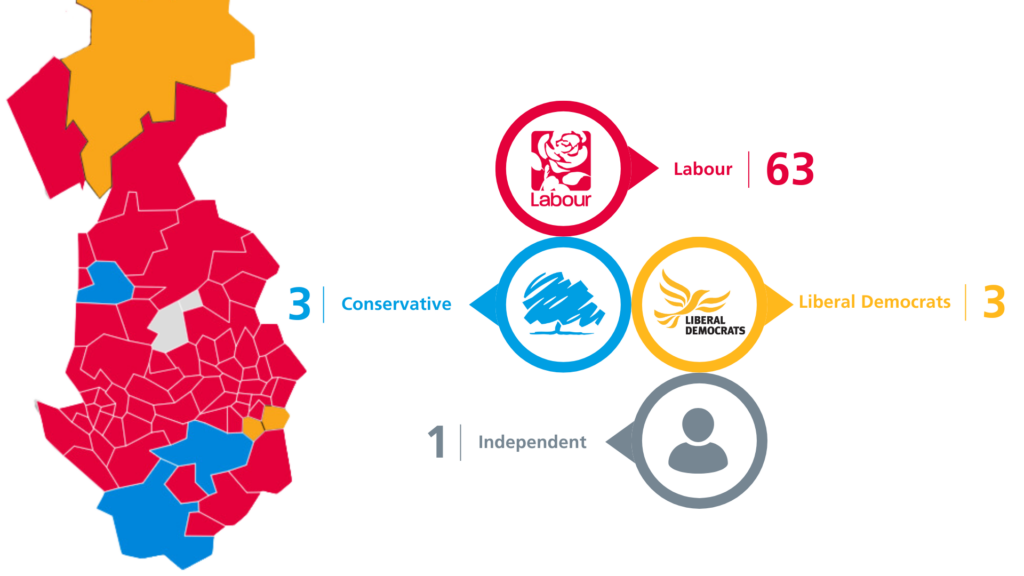
This compares to the 2019 Parliament, when 41 Labour, 32 Conservative and 1 Liberal Democrat MPs were elected, and in 2015, when it was 51 Labour, 22 Conservative and 2 Liberal Democrat MPs.
Other things to note about the new intake, overall:
- More than half of the new Parliamentary intake are first-time MPs.
- Women now account for over 40% of MPs.
- 14% of MPs are from ethnic minority backgrounds, closer to the UK’s diversity (18% per the 2021 Census).
- It is the most ‘state-educated’ intake since 1979, with only 1 Cabinet member educated privately.
- 55% of MPs attended Oxbridge or Russell Group universities.
- The average MP age has dropped slightly, from 50 to 48, with 20 MPs under 30.
For NHS leaders, these changes mean there is a significant opportunity, and responsibility, to build effective relationships with local MPs. Many MPs are in marginal seats, eager to make an impact in a competitive political landscape. Supporting or opposing NHS initiatives could be one way for them to do so, making early engagement and trust-building essential.
North West Labour MPs are likely to align closely with government priorities, which can offer opportunities for collaboration if approached strategically.
Research your MP’s priorities
Understanding an MP’s interests and priorities is essential for a meaningful conversation. NHS leaders can begin by familiarising themselves with Labour’s manifesto commitments, particularly those beyond health, to identify shared priorities.
Key steps:
- Review what the MP campaigned on during the election, and what matters most to their constituents.
- Look into their memberships in Parliamentary Committees, APPGs, or advocacy groups.
- Monitor their media and social media output to see the issues they highlight most.
By tailoring discussion to align with their focus, rapport can be built without wasting time on topics the MP is less concerned about.
Establish clear communication lines
Good relationships rely on reliable communication. Getting an MP’s private Parliamentary address and mobile number is a priority. Knowing the key staff member in their office, who likely manages their diary and correspondence, is equally important.
Be prepared to adapt. MPs value a “no surprises” approach, so reach them directly when urgent issues arise. For example, if a major local NHS issue is brewing on a Sunday, be ready to make that call. Being proactive builds trust and prevents unnecessary friction.
Clarify casework expectations
Constituent casework often lands in MPs’ offices, creating a need for streamlined processes with NHS organisations.
Consider the following:
- Have you set clear response times and channels for casework passed on by MPs?
- Are expectations aligned to avoid miscommunication or delays?
To strengthen this relationship, organise a shadowing exchange between the PALS team and the MP’s office. This allows both teams to better understand how the other operates and fosters a collaborative approach to serving the public.
Understand political and personal dynamics
It’s important not to assume unity, even within the same party. MPs in neighbouring constituencies may not always get along or work together effectively. Take the time to understand individual relationships and avoid making assumptions about collaboration.
Also, be aware of their limited constituency time. Most MPs focus on local matters on Fridays and Monday mornings outside of recess. Respect this schedule when arranging meetings or requests.
Finally, offering support to help MPs communicate their work, such as through social media or newsletters, can be a valuable way to build goodwill.
Balance local and national priorities
Labour MPs often adopt a “local first” approach, which can create tension if local issues conflict with national party priorities. This dynamic can lead to challenging situations, but it’s vital to remain flexible.
When these conflicts arise, focus on understanding their perspective and finding practical ways to address both local and national concerns. This collaborative approach will help maintain a constructive relationship.
Leverage their position for regional investment
With a large number of MPs in the region, including several Cabinet members, there’s a strong opportunity to push for inward investment. MPs often want to deliver tangible results for their constituents, so frame proposals in a way that highlights clear, visible benefits.

View MPs as ambassadors for the region. By presenting well-thought-out initiatives, you can gain their support and secure investment that boosts both the NHS and local communities.
Simplify the NHS for them
The NHS is a complex organisation, and many MPs and their teams are unfamiliar with its structures and finances. They might be reluctant to ask questions that reveal gaps in their understanding.
To help:
- Provide straightforward, accessible explanations of NHS operations.
- Offer guidance in a way that respects their position and avoids embarrassment.
Helping MPs “walk in your shoes” will not only build their confidence but also strengthen their ability to advocate effectively for organisations in Parliament.
Share your experiences and join the conversation
Working effectively with politicians is both an art and a skill, requiring adaptability, clear communication, and a deep understanding of the political landscape. Every NHS leader’s journey with MPs will bring unique insights, challenges, and successes.
NHS leaders and colleagues are encouraged to reflect on their experiences:
- What strategies have worked well when engaging with MPs?
- What would they like to understand better about politicians’ relationship with the NHS?
- What challenges have they faced, and how have they overcome them?
- Are there specific questions or situations where they would value further advice or guidance?
Sharing these experiences can help inspire and support colleagues navigating similar situations. NHS North West colleagues are encouraged to share their thoughts, experiences and questions in the comments below.
NHS North West colleagues delved into this vital topic in the Power of Political Partnerships Masterclass earlier in 2025. Download the slides and discussion summaries by clicking the button below:
DownloadWatch the full session here:
This is a fantastic post. I love how you’ve explained the nuances of the topic and made it accessible to a wide range of readers. The examples you included were particularly helpful in illustrating the concepts, and I can tell you’ve put a lot of thought into crafting this content.