Julie Cheetham: Leading change through authenticity, compassion and clinical leadership
After almost four decades in the NHS, Julie Cheetham is preparing to retire with a wealth of experience spanning clinical practice, regional leadership and system-wide transformation.
A clinician by background, Julie has spent much of her career bringing people together to improve patient care across the North West as the Director of Strategic Clinical Networks at the NHS Greater Manchester.
Julie’s passion lies in convening clinicians as she describes their drive to make change as phenomenal. Strategic Clinical Networks were established to reduce unwanted variation, come up with creative solutions to improve services and bring about system change.
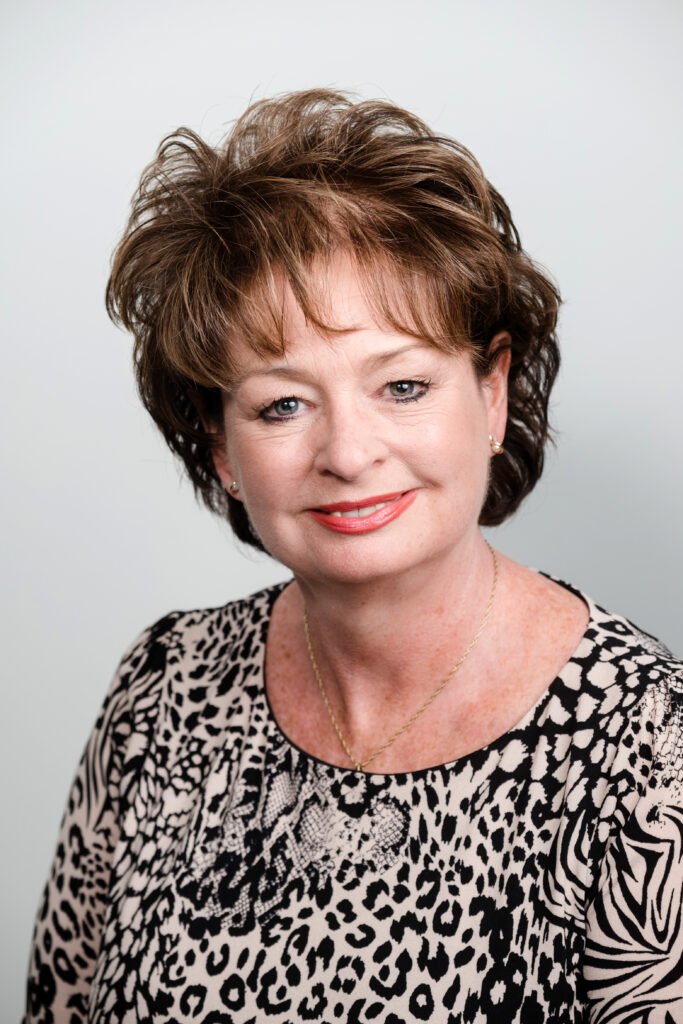
Reflecting on her leadership journey, Julie describes herself as someone who is collaborative and isn’t afraid to challenge traditional ways of working. Julie believes some of the most effective leadership happens not through directing others, but through creating the conditions for people to thrive. Rather than building teams of people who think alike, she actively seeks diversity of experience, perspective and expertise.
“I know what I’m good at and I know what I’m not very good at. I don’t want lots of mini-me’s. We need a blend of skills and perspectives because that’s where innovation and change comes from.”
Reflecting on her leadership journey, Julie describes herself as someone who has always been driven by curiosity, collaboration and a willingness to challenge traditional ways of working.
“My passion really is around working with clinicians. If they believe in something and can see it’s the right thing for patients, the passion they bring to making change happen is phenomenal.”
Over the years, her leadership style has evolved from leading services directly to acting as an “honest broker” across complex systems, bringing together clinicians, managers and organisations to focus on what matters most for patients. Her approach is rooted in trust, empowering others to take opportunities, think creatively and learn from experience.
“If it feels like the right thing to do, have a go. If it doesn’t work, we’ll learn from it.”
From nursing to system leadership
Julie began her career as a nurse, working in acute services and developing a strong grounding in patient care. While she enjoyed clinical practice, she gradually became curious about the wider systems and leadership structures that shaped healthcare delivery.
Reflecting on the early stages of her career, Julie remembers how easy it could be to become focused on a single team, service or organisation. That experience has shaped the way she now develops others.
“You’re quite cocooned in your own organisation, your own directorate, your own ward. I really try to get people to look up and out.”
As a junior nurse, Julie’s first exposure to leadership development introduced her to a completely different way of thinking about systems an innovation. Those early leadership experiences sparked an interest in working beyond the boundaries of a single organisation. Julie moved from acute clinical care into broader leadership roles, while consciously maintaining her clinical perspective and connection to frontline services.
Over the following years, she built experience across a wide range of NHS organisations and leadership environments, including Strategic Health Authorities, Primary Care Trusts (PCTs), Clinical Commissioning Groups (CCGs), Integrated Care Boards (ICBs) and NHS England.
This unique combination of clinical credibility and system leadership helped shape Julie’s approach to leading change. She developed a reputation for bringing people together across organisational boundaries, creating the conditions for clinicians to influence strategy, redesign services and improve outcomes for patients.
Today, she describes her role as being an “honest broker”, helping partners navigate complexity while keeping patient care at the centre of decision-making.
Navigating complexity through coaching
Like many senior NHS leaders, Julie was leading through a period of significant organisational change. Alongside major policy shifts and consultation activity, she was supporting her team through uncertainty whilst continuing to deliver strategic priorities across Greater Manchester.
Having benefited from executive coaching previously, Julie recognised the value of creating dedicated space to pause and reflect.
“Sometimes you forget about yourself because you’re going at 100 miles an hour. I knew things were getting tough, and I thought, right, I need some me time. I needed a reset.”
For Julie, coaching provided an opportunity to step back from the immediacy of day-to-day pressures and examine challenges from a different perspective. Working with her coach helped her test her thinking to ensure she was focusing her energy in the right places.
“I had a plan of where I wanted to get to. I just needed that assurance and reassurance for me. I needed somebody who would be objective and challenge my thinking.”
The coaching conversations helped Julie distinguish between issues she could influence and those outside her control, allowing her to focus on where she could make the greatest impact.
The impact
The benefits of coaching extended beyond Julie herself. Through reflective conversations about her leadership style, team dynamics and the challenges of leading through uncertainty, Julie gained renewed confidence in supporting her team and creating the conditions for others to succeed.
“We had lengthy discussions about the team, my leadership style with them and how best to manage them through such a complex change process.”
Coaching reinforced Julie’s commitment to maintaining a people-centred approach, recognising that behind every role is an individual with their own challenges, ambitions and circumstances.
At an organisational level, coaching strengthened Julie’s belief that meaningful and sustainable change comes from leading with authenticity and compassion.
“Leading with authenticity and compassion brings our NHS values to life, which in the end will bring about sustainable change.”
Looking back on her career, Julie believes self-awareness is one of the most important qualities a leader can develop. Executive coaching provided a trusted space to test her thinking and remain grounded in the values that have guided her throughout her NHS career.
Leaving a legacy of leadership
After 39 years in the NHS, Julie’s legacy is one of empowering others. Throughout her career, she has championed leadership built on trust, compassion and the belief that people thrive when given the confidence and opportunity to grow.
For Julie, executive coaching provided valuable space to reflect and remain grounded in the values that have guided her leadership journey. As she retires, she hopes future NHS leaders will continue to lead with authenticity, self-awareness and a commitment to developing those around them.