The Christie NHS Foundation Trust

The Christie is the largest, single-site specialist cancer centre in Europe, treating more than 60,000 patients a year. They are based in Greater Manchester in the North West region. They are known for technological advancement and providing specialist services. They employ just over 4,000 people, plus bank.
Building connection and belonging
The Christie wanted to make a purposeful cultural change. They wanted to build a sense of connection and belonging in their organisation. They also wanted to build capability and ownership for their leaders. Their ambition was to drive performance through increased leadership ability and overall engagement, wellbeing and retention.
The 3-year journey
The Christie commenced a purposeful cultural and leadership journey, which has taken 3 years so far and has had positive staff survey results each year.
In the 2024 results, every People Promise and Theme was rated as having statistically significantly improved.
They started with co-creating a new set of values and behaviours across the organisation and developing a new culture-focused 3-year People & Culture Plan, which both launched at the start of 2023. Later that year, a cultural audit was undertaken so they could get a clear sense of the culture they had, the culture they wanted and what work they needed to do. This enhanced their work programme for the medium and long term.
They worked to build a sense of connection and belonging through:
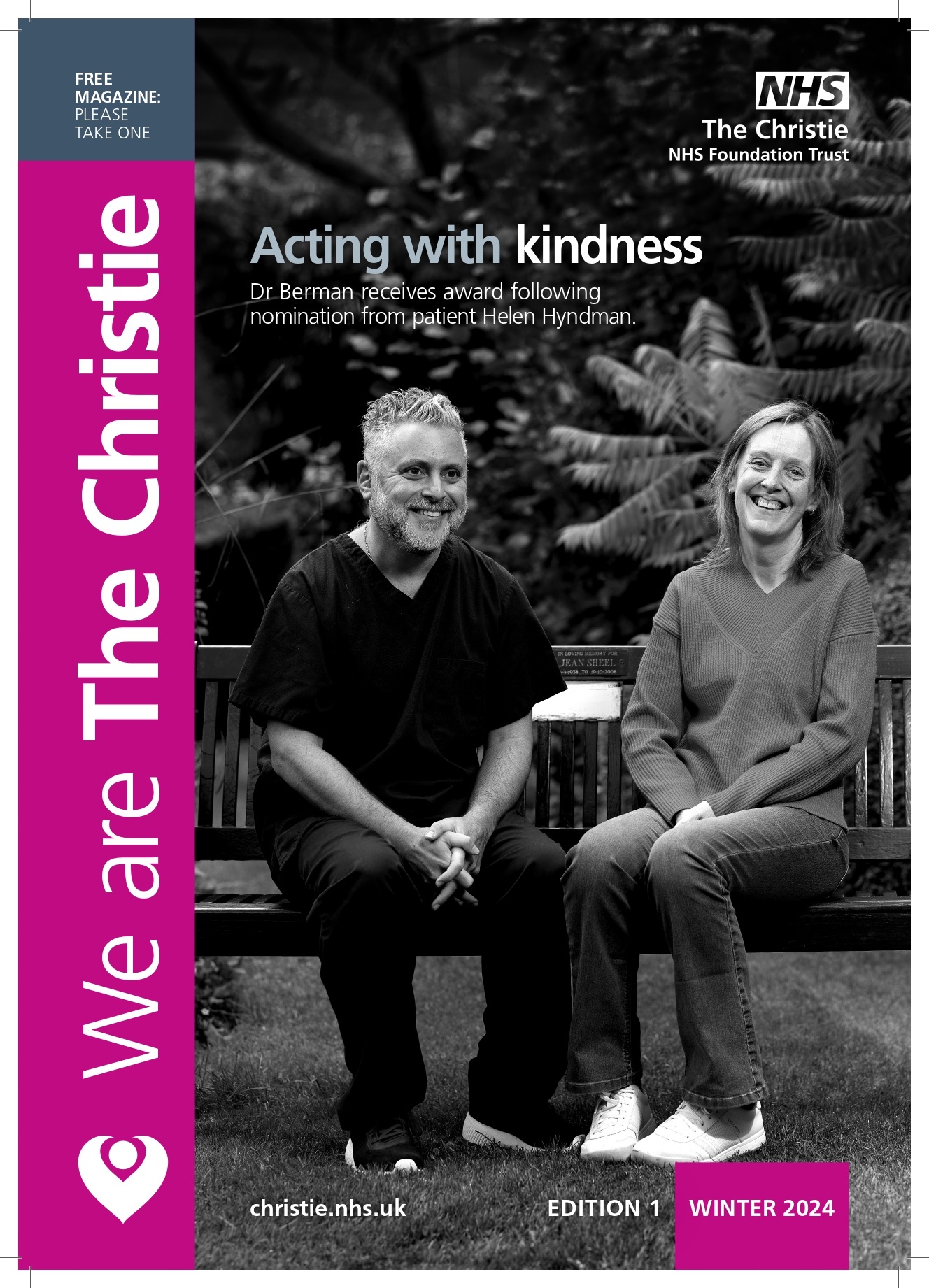
- Being clear and intentional in the way they communicated with their people, moving from a corporate to a more human style. This started from the recruitment process and through regular communication channels. It includes launching new communication approaches to cascading information and a regular Trust magazine focused on celebrating the diversity and achievements of its people.
- Launching and embedding new values and behaviours which run through the employee life cycle. Corporate Induction changed from a focus on transaction to a focus on culture and getting people ready to start in posts.
- Implementing a quarterly executive-led Connect and Reflect session for those at 6 months of employment, based around their values, to hear examples of good practice and where improvements are needed.
- Working with A Kind Life and trade union partners to implement respectful resolutions to support addressing unacceptable behaviours.
- Moved from annual Long Service Awards to quarterly Long Service Awards so people could be recognised “in the moment”. Awards are done at the same time as the Connect and Reflect sessions, so new starters can see the benefits of long service.
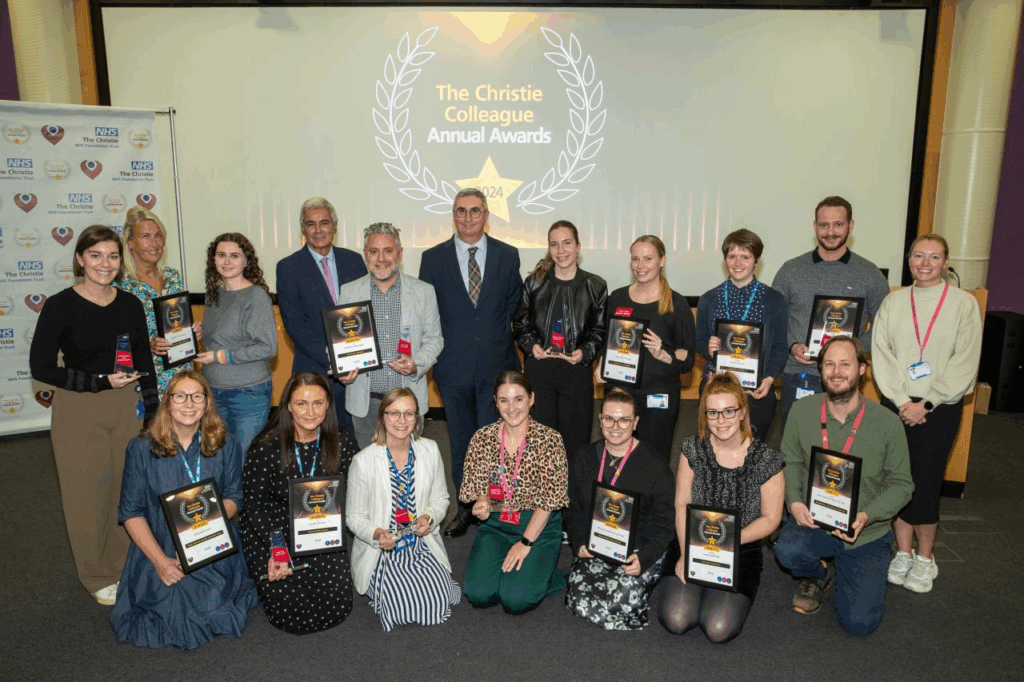
- Re-introducing their annual awards post-COVID, with criteria based on trust behaviours.
- Moved from 4 to 8 staff networks to provide greater depth of support for minoritised groups. Attention is now on launching and building these.
- Embedding EDI champions in each division.
- Making trust data more transparent and useful, launching innovative new data dashboards.
- Continuing with regular annual colleague events to bring people together, such as a rounders tournament, quizzes, and a summer garden party.
- Working with trade union partners on key initiatives such as setting up a permanent engagement stall, a bi-annual Real Lunch Hour, and a new expressing room.
They invested time and resources into leadership and local ownership through:
- Creating and launching a leadership and management competency framework.
- A new manager’s essentials programme run through NHS Elect
- Divisions setting up people & culture committees, creating spaces for focused discussion and action about culture.
- Improving transparency for staff survey results and actively discussing these. Divisions are held to account for developing staff survey action plans; these are presented to a workforce committee (monthly), and good practice is shared. Additional staff survey reports go to a sub-board committee quarterly.
Improving turnover, absences and staff survey scores
The Christie was one of the most improved organisations in terms of the Staff Survey 2024 for most themes.
They have seen an improvement in turnover, absence and a reduction in bank and agency spend.
They have seen improvements in their WRES Indicators and believe this is in part because current colleagues are speaking positively of their cultural and belonging programme, which is attracting a more diverse range of candidates.
Key learnings
Start with the basics – what culture do you have and what do you want it to be, and why? A cultural audit is a good starting point.
If you start on this journey, be prepared to finish it. It will take time and effort, and senior support needs to be in place for this.
Talk to people – get people’s views on what they would like to see and experience.
Think about the future – what culture will you need in 5 – 10 years?
Next Steps
The Christie have positioned this as their long-term cultural programme. They acknowledge that sustainability may be challenging with current uncertainty and service pressures, but feel in a good position to maintain improvements.
They have just launched a new inclusive culture strategy supported by their Board. This sustains their focus on purposeful and compassionate leadership and harnessing connectivity and conversation, creating a diverse workplace where people feel a sense of trust, togetherness and belonging.
They will continue to focus on the development of their leaders. They have recently started a new manager induction, specific to those with people responsibilities. They will scale up their New Managers programme internally.
They also plan to launch a strategic leaders forum to enable connectivity at this level and to provide a mechanism to co-create learning and solutions. A survey has been launched to support them in shaping the agenda.
Contact Information
For more information about this case study, contact:
Rebecca Coles,
Head of Organisational Development & Engagement [email protected]