“Using compassion to create engagement” – how compassionate leadership has improved Staff Engagement
Pennine Care NHS Foundation Trust

Pennine Care NHS Foundation Trust is a mental health, learning disability and autism trust based in the North West. It serves medium-sized, but densely populated areas, across 88 locations, both rural and urban. It employs approximately 4.5k employees, plus bank and voluntary workers.
Making staff engagement core practice
The executive team wanted to centre staff engagement as a core part of their business. They understood the need to lead with compassion from the top, role modelling this throughout the organisation.
Leading for change
Pennine Care took an approach, rather than a specific set of actions, led heavily by the CEO and executive team. They openly placed significant focus on values and behaviours. They wanted to be visible and communicate with staff in a human, compassionate way. The CEO is highly visible. He:
- Sends an update to all staff every week.
- Delivers an online team brief to around 120 leaders/managers every month with an opportunity for everyone to comment/ask questions.
- Regularly visits clinical teams.
- Runs face-to-face ‘listening sessions’ in each borough for all staff every quarter.
- Has a popular ‘Ask Anthony’ email address and responds to every query, comment or issue raised.
- Holds leadership development events every quarter, with an open Q&A with the CEO and executive directors at the end.
- Attends the start of team and professional group development days and events to say and few words and thank staff.

In addition to the CEO’s input, the trust has implemented a number of other cultural improvements:
- The communications team ensures that all corporate communications are written in a warm, engaging, open and human style, with plain English and a focus on storytelling. An internal insight group and ongoing evaluation is built into all their communications.
- A focus on flexible working and encouraging managers to think differently about this.
- Health and wellbeing activities and access to psychological wellbeing support
- Specific engagement with equality, diversity and inclusion networks to raise profile and reach.
- Building ‘Civility Saves Lives’ into induction and using the principles to help call out poor behaviours.
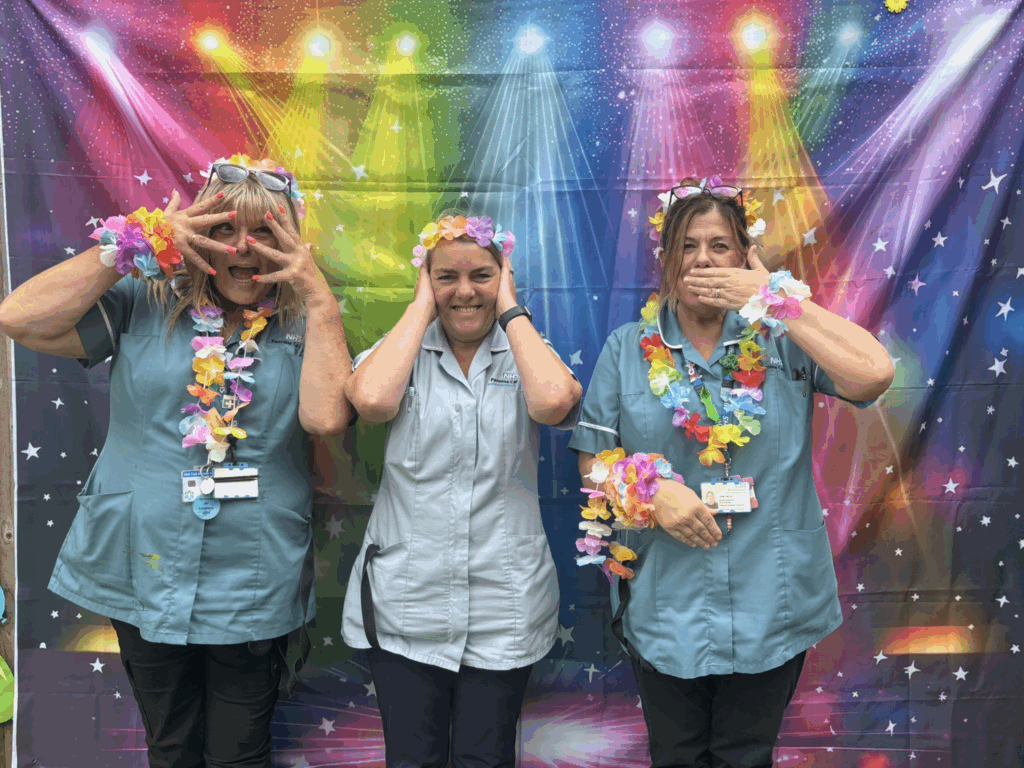
They have also driven team ownership of local culture, which they believe has been crucial to their success. Local leaders are held to account for staff survey plans through quarterly governance meetings. They have also invested in the TED Tool to support local team development.
Becoming most improved 2024
Pennine Care was one of the most improved organisations in terms of the staff survey 2024 for most themes. This was compared to both 2023 and 2021, which is when the current question set was created for the staff survey.
In the 2024 staff survey results, Pennine Care was the top mental health trust in the North West for: staff engagement, being compassionate and inclusive, morale, staff having a voice that counts, feeling recognised and rewarded and always learning.
The trust saw an improvement in turnover over 2024 from 10.2% to 9%.
Key learnings
If you want a compassionate and engaging culture, it needs to become “the way you do things” with clear messaging and role modelling from the Board.
Work with and through your local leaders; they are the ones who drive culture. Also, hold them to account for people and culture in their area; it’s their role to manage this.
Make your decisions on system, process and change “people-centric”, rather than as an afterthought.
Next steps
Pennine Care intends to continue with its current approach and double down on it in the difficult financial climate ahead.
They are working closely with the North West Leadership Academy to utilise their expertise and resources. A big programme for the next three years is their leadership and management development, ideally for leaders at all levels.
They want to do more to protect their people from violence and aggression, especially cognisant of their global majority workforce, who are more at risk of this.

Contact information
Nicola Littler,
Director of Workforce,
Pennine Care NHS Foundation Trust