How leaders can co-produce better with their communities
Co-production has become a common phrase across the NHS, local government and the wider public sector. Yet despite the best intentions, many leaders still struggle to move beyond consultation towards genuine partnership with their communities.
The challenge is not usually a lack of commitment. It’s understanding what meaningful co-production actually looks like in practice.
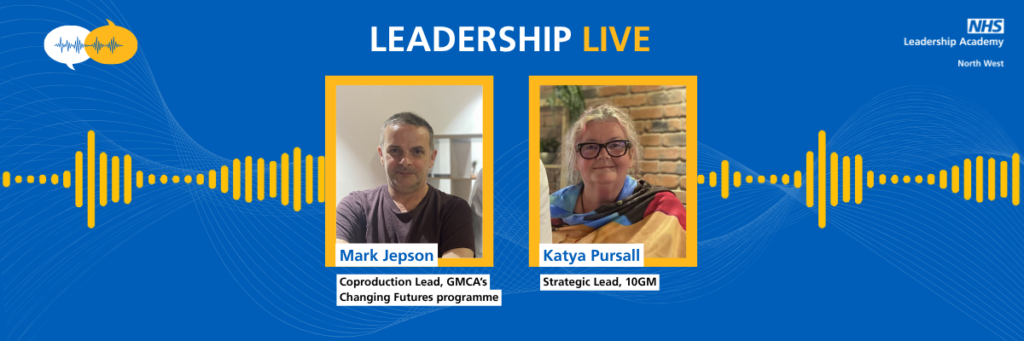
The latest episode of the Leadership Live podcast, exploring the power of VCFSE partnerships and lived experience, offers several practical lessons for leaders looking to strengthen community engagement, build trust, and create services that better meet people’s needs.
Meet people where they are
The location, timing and format of engagement matters. People facing complex social, economic or health challenges don’t neatly organise their lives around office hours, campaigns or organisational boundaries.
Effective community engagement means going to where people already are, whether that’s community centres, faith groups, local networks or trusted grassroots organisations. If we want people to participate, we need to make participation accessible.
Language also matters.
Public sector organisations are often fluent in strategy, transformation and system language, but language that works perfectly well in a boardroom can quickly create distance in a community setting.
Good co-production starts with clear, accessible language that puts people at ease rather than reminding them they are engaging with a large institution.
Move beyond “you said, we did”
Many engagement exercises proudly report back using the phrase “You said, we did.”
A more collaborative mindset might be:
“You said, we did together.”
Better still:
“You identified the solution, and we created the conditions for it to happen.”
True co-production is not about organisations doing things for people. It’s about working with people.
Build trust before expecting change
Relationships move at the speed of trust.
If you’re beginning a new relationship with a community group or VCFSE partner, don’t expect breakthroughs after one meeting or workshop. Invest in the relationship first. As a rule of thumb, however long you think trust will take to develop, it’s probably longer.
If people say you’re not listening, get curious
Feedback that an organisation is “not listening” can feel uncomfortable, but it is often the start of an important conversation.
Instead of becoming defensive, explore the reasons behind the criticism.
Is there a genuine constraint preventing change? If so, be honest about what is possible and what isn’t.
Or is community insight being undervalued compared to professional expertise?
The most effective leaders approach these conversations with humility and honesty.
Value community expertise properly
Communities should not be viewed as a free source of data, insight or consultation.
People with lived experience bring knowledge, skills and perspectives that professionals may not have. That contribution creates value and should be recognised accordingly.
Whether through payment, expenses, development opportunities or other forms of recognition, leaders should think carefully about how they value community expertise.
Collaboration, not competition
Different services and sectors may take different approaches to tackling complex challenges, but difference does not mean there is a hierarchy of superiority. Strong co-production often emerges when organisations focus less on competing and more on their shared purpose of improving outcomes for communities.
Why this matters for public sector leaders
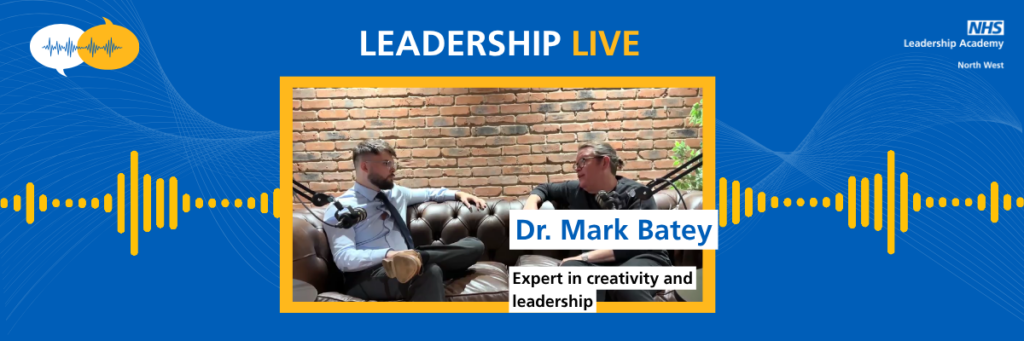
The best solutions to complex public sector challenges are rarely designed in isolation. Community co-production brings much-needed diversity of thought into public sector decision-making, helping NHS organisations, local authorities and VCFSE partners move beyond institutional perspectives. In another episode of Leadership Live, Dr Mark Batey presents a clear rationale for the value of diversity in innovation and problem-solving:
“Increase the breadth of diversity, you’ll increase the breadth of understanding and as a result, the breadth of the connections and the ideas that we’re able to make.”
When leaders create the conditions for trust, shared decision-making and genuine partnership, communities become true co-creators of change. The result is not only better engagement, but better solutions: solutions shaped by the insight, experience and wisdom of the people most affected by them.
Want to hear the full conversation? Listen to the latest episode of the Leadership Live podcast, The power of VCFSE partnerships and lived experience, on Spotify.